THE BEGINNING
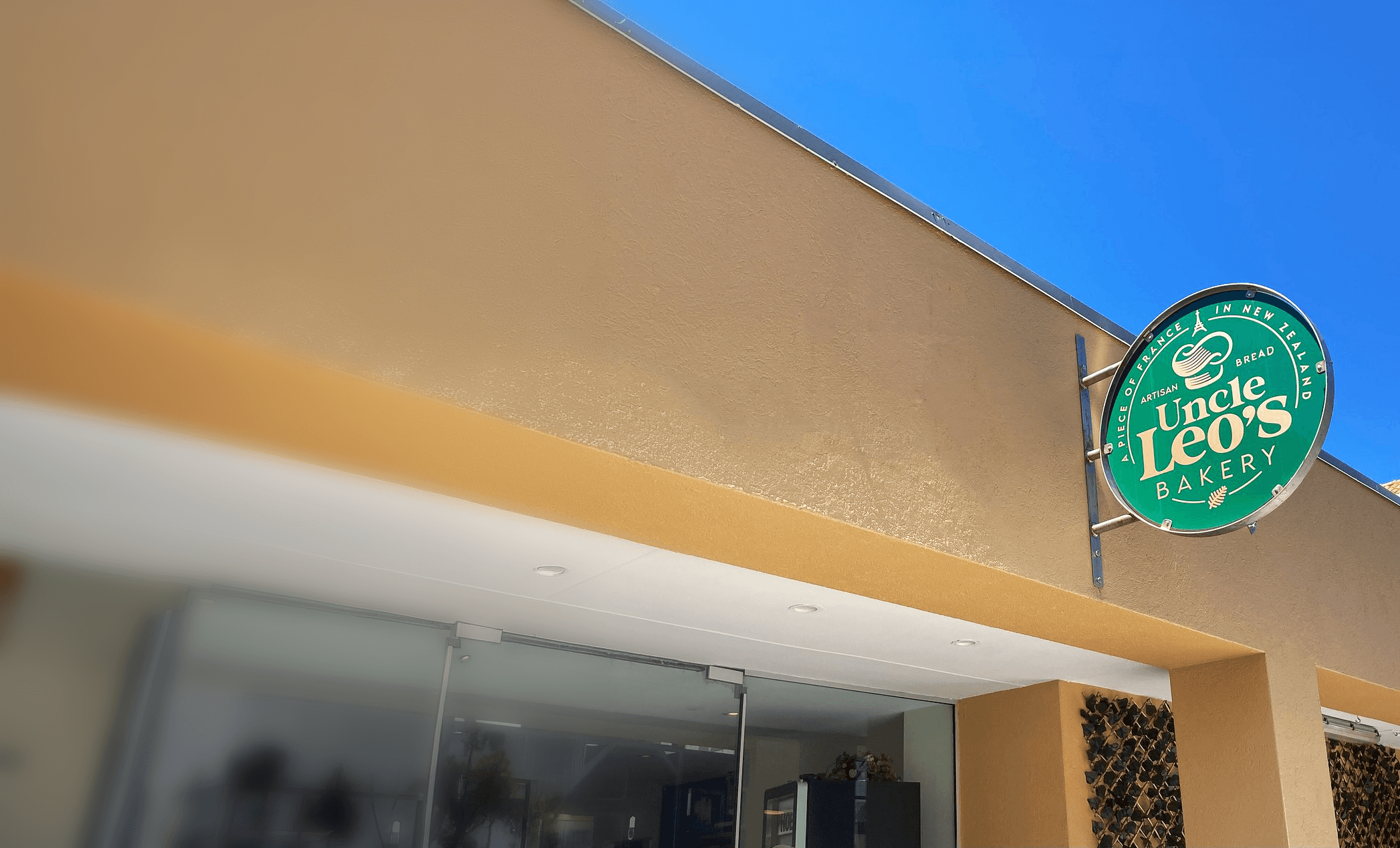
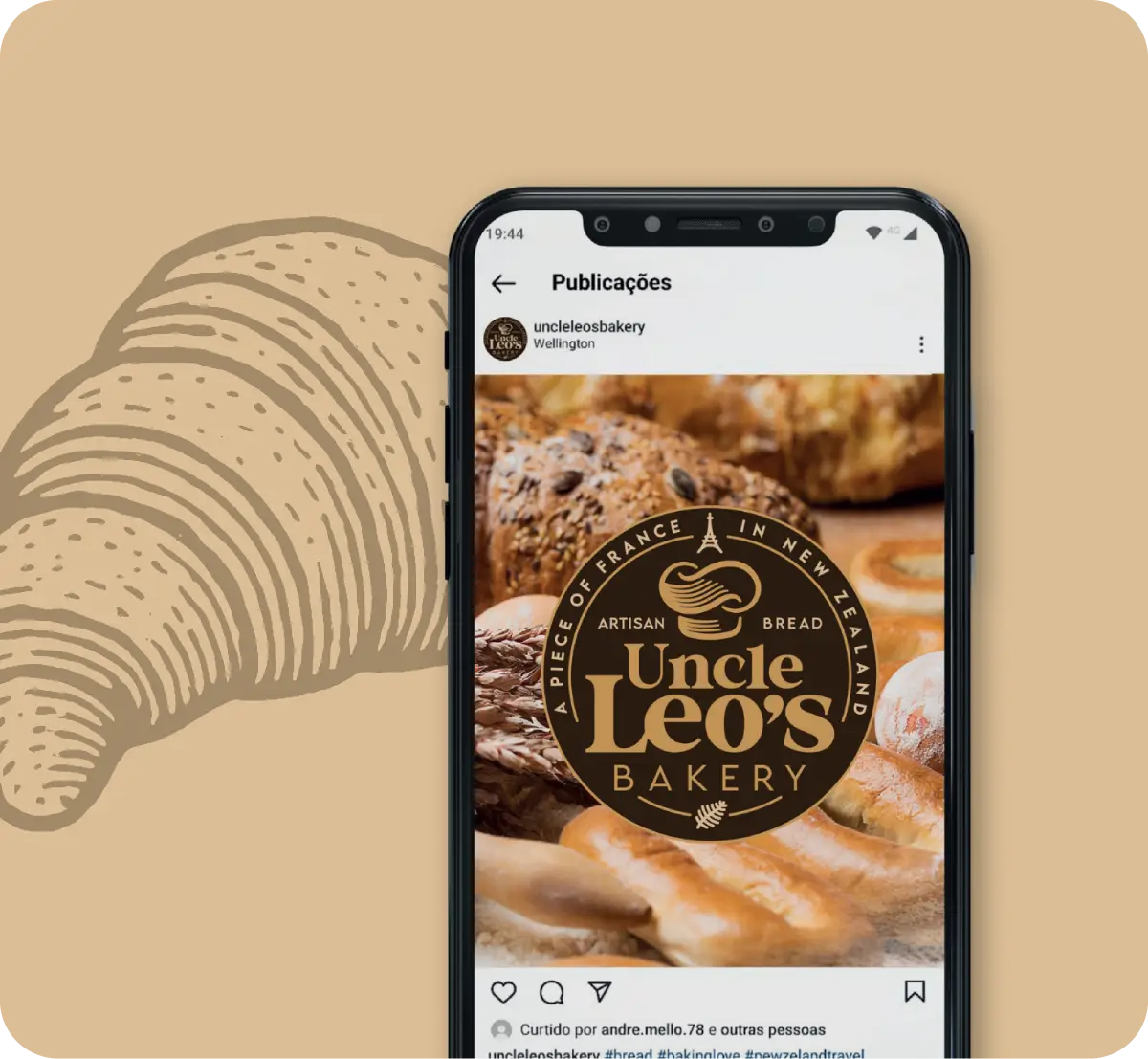
Uncle Leo's is the kind of bakery where regulars know the owner by name and the smell of sourdough hits you before you open the door. Their brand lived in the physical experience — the problem was that none of that translated online.
They had seasonal demand spikes (Easter hot cross buns, Christmas hampers, Mother's Day gift boxes) but no reliable way to sell online. Orders came through Instagram DMs, phone calls, and handwritten lists. The team was stretched thin during peak periods, and they were losing sales to disorganisation — not lack of demand.
I came in to build not just a website, but a system that could handle the chaos of seasonal rushes while feeling as warm and personal as the bakery itself.

Research
I started by understanding the business from the inside — sitting down with the owner to map out how orders actually flowed during a seasonal peak. Where did things break? What took the most time? What frustrated customers?
Client interviews — Understanding the bakery's operations, seasonal patterns, and pain points
Competitor analysis — How other NZ artisan bakeries handled online ordering (most didn't, or did it poorly)
User behaviour review — Analysing how their existing audience interacted with Instagram and any prior web presence
Platform research — Evaluating WordPress + WooCommerce as the right stack for a non-technical team

Seasonal demand was real, but the process was chaotic.
During Easter and Christmas, the bakery was flooded with orders via DMs, calls, and walk-ins — with no centralised tracking. Items sold out without anyone updating availability, leading to frustrated customers and wasted time.
The audience wasn't tech-savvy — and neither was the team.
Customers ranged from loyal locals to gift-buyers who'd never visited the bakery. The ordering experience needed to be dead simple. On the backend, the bakery team needed to update products, pricing, and availability without ever touching code.
The brand's warmth was its biggest asset — and its biggest risk online.
Uncle Leo's charm is in the handmade, personal touch. A generic e-commerce template would kill that. Every design decision had to feel like the bakery — warm, honest, artisanal — not like a marketplace.
Nobody else was doing this well locally.
Most competing artisan bakeries in NZ either had no online shop, or used clunky third-party ordering forms. There was an opportunity to stand out simply by making the experience pleasant.
Custom Seasonal Shop
Built a modular e-commerce system using WooCommerce with time-limited product listings, countdown timers, stock limits, and flexible pricing. Each seasonal campaign (Easter, Mother's Day, Christmas) could be activated and deactivated independently.
Pre-order System
Designed a scheduling flow where customers could pre-order seasonal items with clear availability messaging and automated email confirmations. This eliminated the DM/phone chaos and gave the team a single order queue.
CMS for Non-Technical Users
Customised the WordPress admin panel so the bakery team could manage product catalogues, toggle seasonal campaigns, and update the homepage — all without touching code. Included hands-on training and documentation.
Brand-Led UI
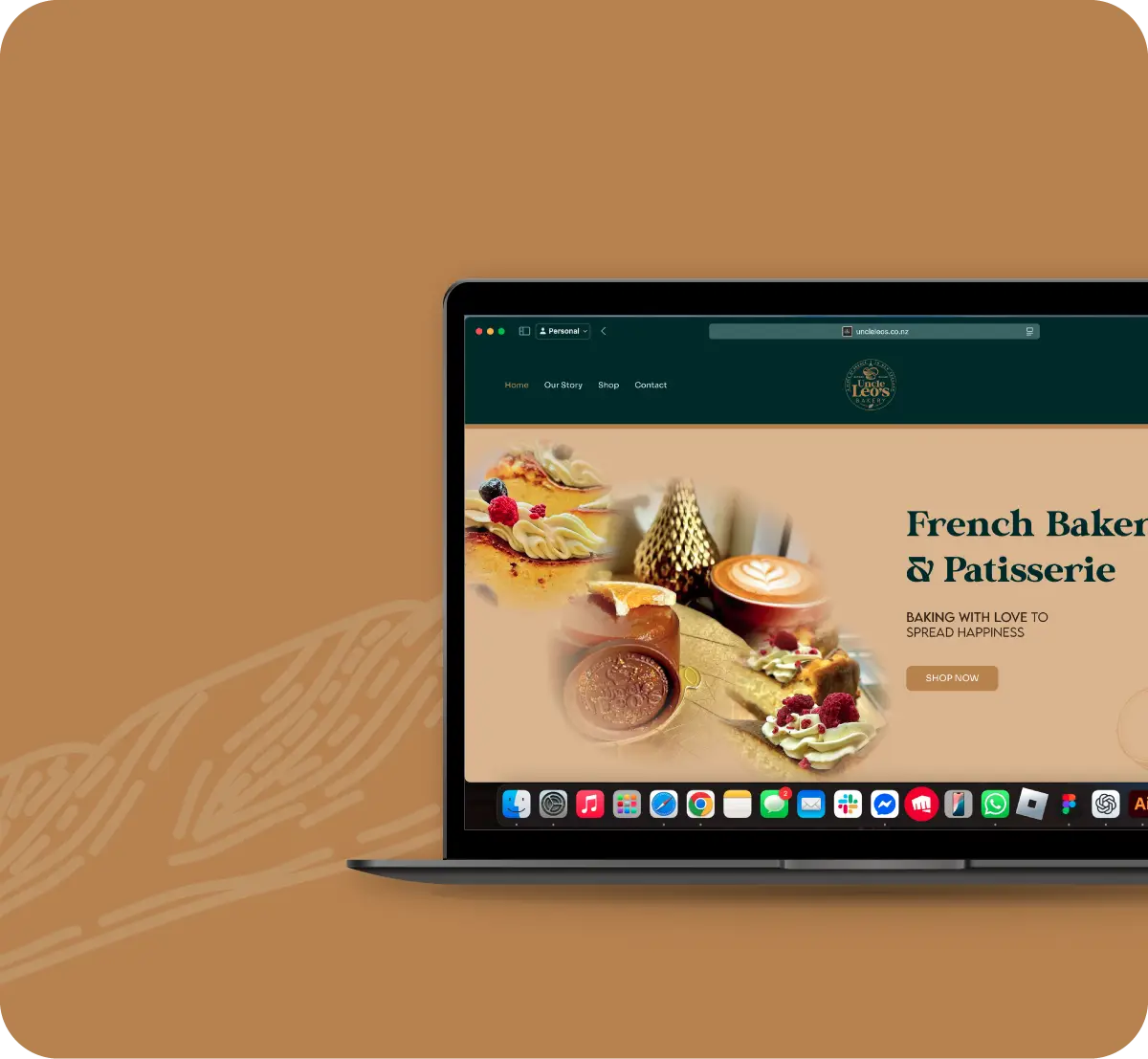
Every interaction was designed to feel handmade — warm hover states, soft transitions, earthy tones, and typography that echoed the bakery's physical signage. The goal was that visiting the website should feel like walking into the shop.
Performance & Analytics
Lightweight code and caching strategies for reliability during traffic spikes. Integrated Google Analytics and Meta Pixel for campaign tracking and retargeting — giving the team data they'd never had before.
OUTCOMES
85%
Reduction in manual order handling

Reflection
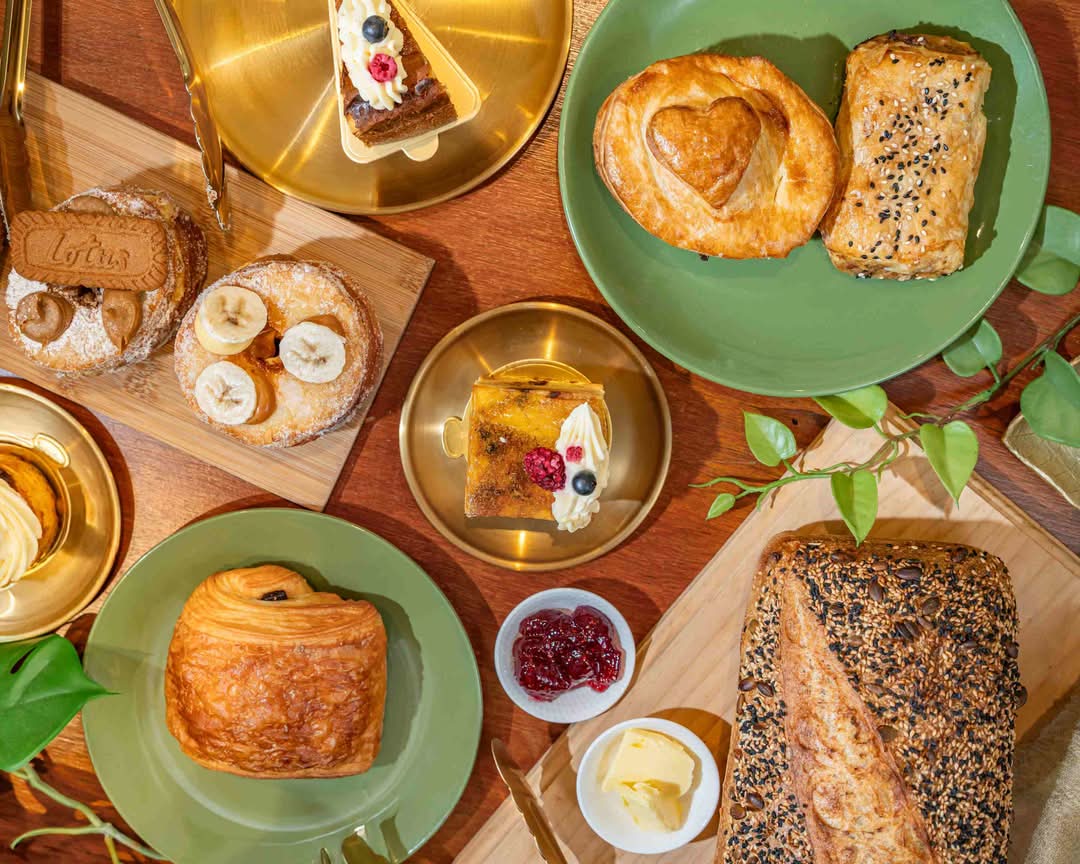
This project reminded me that good design isn't always about complex systems or massive scale. Sometimes it's about taking something simple — a bakery that makes incredible bread — and giving it a digital experience that honours what already makes it special.
The most rewarding part was the handoff. Watching a non-technical team confidently manage their own website and run seasonal campaigns without calling me — that's when I know the design worked. The best tools are the ones people can own.